
 Home
HomeIl Partenariato Internazionale Multikulturalità Italia-Malta ha avviato rapporti per la definizione di un MEMORANDUM tra il Ministero dell'Istruzione italiano, con il Ministro Giuseppe Valditara, e il Ministero dell'Istruzione maltese, con il Ministro Clifton Grima. Il documento sarà pubblicato sul sito dopo la definizione tra il Ministro degli Affari Esteri italiano e quello maltese, già in corso dopo l'approvazione del Consigliere Diplomatico del Ministero dell'Istruzione Silvia Contino.
Ai sensi del Decreto Legislativo n. 127 del Ministero dell'Istruzione e del Merito del 09/09/2025 pubblicato sulla Gazzetta Ufficiale della Repubblica italiana Serie Generale n. 209 del 09/09/2025 FORMAZIONE SCUOLA LAVORO
Viviamo in un’epoca di opportunità straordinarie, dove il mondo degli affari è in continua evoluzione e ogni giorno vengono create nuove strade per generare ricchezza. Questo manuale nasce dall’intento di fornire strumenti pratici e strategie concrete per “fare soldi”, ovvero per costruire e far crescere un’impresa di successo. Non si tratta semplicemente di teorie astratte, ma di un percorso passo dopo passo che, se seguito con impegno, può trasformare le tue idee in una fonte reale di guadagno.
In questo manuale abbiamo raccolto le migliori pratiche, le innovazioni tecnologiche e le strategie di mercato più efficaci per aiutarti a navigare nel complesso mondo dell’imprenditoria. Dalle fasi iniziali di creazione dell’impresa fino alla gestione avanzata e alla preparazione per il futuro del lavoro, ogni capitolo è pensato per offrirti consigli applicabili immediatamente, perché il nostro obiettivo è chiaro: insegnarti a fare soldi.

Il manuale è strutturato in cinque capitoli, ognuno dei quali affronta un aspetto cruciale del percorso imprenditoriale. Nel Capitolo 1, "Creare l’impresa step by step," si guida il lettore dalla concezione dell’idea imprenditoriale fino alla realizzazione del business, passando per la pianificazione, l’analisi di mercato, la redazione di un business plan solido, la scelta della forma giuridica e l’adempimento degli obblighi burocratici. In questa fase iniziale, ogni dettaglio è studiato per darti una guida pratica che ti eviti errori comuni e ti metta sulla strada giusta sin dal primo giorno.
Il Capitolo 2, "Organizzazione Aziendale," si concentra su come strutturare internamente l’impresa per massimizzare l’efficienza e la produttività. Vengono esaminate le strutture organizzative moderne, confrontando modelli gerarchici tradizionali con strutture più agili e flessibili. Inoltre, si approfondiscono temi come la gestione delle risorse umane, il reclutamento, la formazione, il mantenimento del talento e l’importanza di creare una cultura aziendale che favorisca il benessere dei dipendenti. Infine, vengono presentate le tecnologie di supporto, dagli strumenti di gestione aziendale alle soluzioni basate sull’intelligenza artificiale e sull’automazione.
Il Capitolo 3, "Educazione Imprenditoriale," è un invito a non smettere mai di imparare. In un mondo in cui le informazioni si aggiornano continuamente, la formazione costante diventa il tuo più grande alleato. Qui scoprirai quali competenze chiave sono necessarie per avere successo – dalla leadership alla gestione finanziaria, dal marketing all’innovazione – e quali percorsi di formazione, workshop, corsi pratici e programmi di mentoring sono utili per migliorare ogni aspetto del tuo business. Questo capitolo sottolinea l’importanza di un apprendimento continuo, che unisce teoria e pratica per creare un imprenditore resiliente e adattabile.
Il Capitolo 4, "Legislazione sugli Interventi Imprenditoriali," fornisce una guida essenziale per navigare nel complesso quadro normativo che regola la vita di un’impresa. In questa sezione si esaminano le normative fondamentali, richiamando brevemente gli aspetti del diritto societario e contrattuale e le normative fiscali e tributarie. Vengono poi affrontati i requisiti specifici per il settore digitale e innovativo, con particolare attenzione alle normative sull’e-commerce e alla protezione dei dati personali, nonché alle regolamentazioni per l’uso di tecnologie emergenti come l’intelligenza artificiale e la blockchain. Infine, si discutono gli incentivi e le agevolazioni per startup e PMI, insieme ai principi di sostenibilità e responsabilità sociale d’impresa. Questo capitolo ti fornisce gli strumenti legali necessari per gestire un’impresa in modo sicuro e conforme, riducendo i rischi e sfruttando al meglio le opportunità offerte dal contesto normativo attuale.
Infine, il Capitolo 5, "Vivere e Lavorare nel 2025," guarda al futuro del lavoro e alle nuove dinamiche di mercato. Esso analizza le tendenze di mercato, identificando i settori in crescita e i modelli di business emergenti, e affronta le sfide e le opportunità che derivano dal lavoro remoto, ibrido e dalla digitalizzazione. Inoltre, viene esplorato il tema dell’equilibrio tra vita e lavoro, offrendo strategie e strumenti per migliorare il benessere personale e professionale. Questo capitolo chiude il manuale con uno sguardo verso il futuro, mostrando come prepararsi e adattarsi alle trasformazioni del mercato per garantire una carriera e un’impresa di successo. Questa premessa vuole essere il motore che ti spinge a leggere il manuale con l’obiettivo di trasformare la tua visione in azione. Perché la ricchezza, intesa non solo in termini economici, ma anche di conoscenza e opportunità, nasce dalla capacità di sfruttare ogni risorsa disponibile e di innovare continuamente. Ogni capitolo è stato pensato per offrirti una guida pratica, basata su esempi reali, errori comuni da evitare e best practices che hanno già dimostrato il loro valore nel mondo dell’imprenditoria. Leggere questo manuale significa investire nel tuo futuro: si tratta di un percorso di formazione che ti permetterà di acquisire le competenze necessarie per affrontare il mercato con determinazione e successo. Non si tratta solo di concetti teorici, ma di strumenti concreti che puoi applicare immediatamente per generare valore e, soprattutto, per fare soldi. Il mondo del business è in continua evoluzione e le opportunità sono infinite per chi sa coglierle.
Tanto per fare un esempio, molti credono che avviare un’impresa richieda un capitale iniziale elevato, ma pochi sanno che in Italia è possibile costituire una società con un solo euro. Grazie alle agevolazioni introdotte negli ultimi anni, chiunque abbia un’idea imprenditoriale può trasformarla in una realtà concreta senza la necessità di grandi investimenti iniziali.
Le Società a Responsabilità Limitata Semplificate (SRLS) sono state create proprio per permettere a giovani imprenditori, startup e professionisti di avviare un’attività con costi ridotti e un processo burocratico semplificato. Con un capitale sociale minimo di 1 euro, è possibile costituire una società legalmente riconosciuta, senza dover sostenere le spese notarili tradizionali e con una gestione amministrativa più snella rispetto alle forme societarie classiche.
Questa opportunità rappresenta una svolta per chi vuole entrare nel mondo del business ma teme gli ostacoli economici e burocratici. Aprire un’impresa oggi è più semplice ed economico di quanto si pensi, e questo manuale ti guiderà attraverso ogni passaggio, dalla costituzione della società alla sua gestione e crescita.
Per dimostrare quanto sia davvero accessibile questa possibilità, allegheremo un fac-simile dell’atto costitutivo pubblicato sulla Gazzetta Ufficiale della Repubblica Italiana, in modo che tu possa vedere con i tuoi occhi quanto sia semplice e alla portata di tutti. Se fino a oggi hai pensato che aprire un’azienda fosse un’impresa impossibile, questo manuale ti farà cambiare idea. L’unico limite è la tua volontà di metterti in gioco.
Il manuale ti guiderà attraverso ogni fase, dalla pianificazione e registrazione della tua impresa, fino alla gestione avanzata e alla costruzione di un team efficace, passando per la formazione continua, la gestione delle risorse e il networking strategico. Ogni sezione è arricchita da esempi pratici e casi di successo, che ti dimostreranno che con le giuste strategie e un impegno costante, il successo non è solo possibile, ma anche replicabile.
Se sei pronto a cambiare il tuo modo di pensare, a investire in te stesso e a trasformare le tue idee in una fonte di guadagno reale, questo manuale è per te. Preparati a scoprire un mondo di opportunità e a imparare le strategie che hanno portato imprenditori di successo a generare ricchezza in un mercato globale. Inizia questo percorso con l’obiettivo di fare soldi, perché alla fine, il vero successo si misura dalla capacità di trasformare le sfide in opportunità di profitto e crescita personale. Buona lettura e, soprattutto, buon business!
Implementation of FSL - School-Work Training pursuant to Legislative Decree No. 127, published in the Official Gazette of the Italian Republic on 9 September 2025
We live in an age of extraordinary opportunities, in which the business world is constantly evolving and new ways of generating wealth are created every day. This handbook was conceived to provide practical tools and concrete strategies for "making money", that is, for building and growing a successful business. It is not merely a collection of abstract theories, but a step-by-step path which, if followed with commitment, can turn your ideas into a genuine source of income.
In this handbook, we have brought together best practices, technological innovations and the most effective market strategies to help you navigate the complex world of entrepreneurship. From the initial stages of creating a business through to advanced management and preparation for the future of work, each chapter is designed to offer advice that can be applied immediately, because our goal is clear: to teach you how to make money.
The handbook is structured into five chapters, each of which addresses a crucial aspect of the entrepreneurial journey. Chapter 1, "Creating a Business Step by Step", guides the reader from conceiving a business idea through to establishing the business, including planning, market analysis, drafting a solid business plan, choosing the legal form and complying with administrative requirements. In this initial stage, every detail is designed to provide practical guidance that helps you avoid common mistakes and puts you on the right path from day one.
Chapter 2, "Business Organisation", focuses on how to structure the business internally in order to maximise efficiency and productivity. It examines modern organisational structures, comparing traditional hierarchical models with more agile and flexible structures. It also explores topics such as human resource management, recruitment, training, talent retention and the importance of creating a corporate culture that promotes employee well-being. Finally, it presents supporting technologies, from business-management tools to solutions based on artificial intelligence and automation.
Chapter 3, "Entrepreneurship Education", is an invitation never to stop learning. In a world in which information is continually updated, ongoing education becomes your greatest ally. Here you will discover the key skills needed for success - from leadership and financial management to marketing and innovation - as well as the training pathways, workshops, practical courses and mentoring programmes that can help improve every aspect of your business. This chapter emphasises the importance of continuous learning that combines theory and practice to create a resilient and adaptable entrepreneur.
Chapter 4, "Legislation on Entrepreneurial Initiatives", provides an essential guide to navigating the complex regulatory framework governing the life of a business. This section examines the fundamental rules, briefly addressing aspects of company and contract law, as well as fiscal and tax regulations. It then considers specific requirements for the digital and innovative sectors, with particular attention to e-commerce rules and the protection of personal data, together with regulations governing the use of emerging technologies such as artificial intelligence and blockchain. Finally, it discusses incentives and concessions for start-ups and SMEs, along with the principles of sustainability and corporate social responsibility. This chapter provides the legal tools needed to run a business safely and in compliance with the law, reducing risks and making the most of the opportunities offered by the current regulatory environment.
Lastly, Chapter 5, "Living and Working in 2025", looks at the future of work and new market dynamics. It analyses market trends, identifies growing sectors and emerging business models, and addresses the challenges and opportunities arising from remote and hybrid work and digitalisation. It also explores work-life balance, offering strategies and tools for improving personal and professional well-being. The chapter closes the handbook with a look towards the future, showing how to prepare for and adapt to market transformations in order to ensure a successful career and business.
This foreword is intended to be the driving force that encourages you to read the handbook with the aim of turning your vision into action. Wealth - understood not only in economic terms but also as knowledge and opportunity - stems from the ability to use every available resource and to innovate continuously. Each chapter has been designed to offer practical guidance based on real examples, common mistakes to avoid and best practices that have already demonstrated their value in the entrepreneurial world.
Reading this handbook means investing in your future. It is a learning journey that will enable you to acquire the skills needed to face the market with determination and success.
This is not only about theoretical concepts, but concrete tools that you can apply immediately to generate value and, above all, to make money. The business world is constantly evolving, and opportunities are endless for those who know how to seize them.
To give just one example, many people believe that starting a business requires substantial initial capital, but few know that in Italy it is possible to establish a company with only one euro. Thanks to concessions introduced in recent years, anyone with a business idea can turn it into a concrete reality without the need for major initial investment.
Simplified Limited Liability Companies (SRLS) were created precisely to allow young entrepreneurs, start-ups and professionals to launch a business with reduced costs and a simplified administrative process. With minimum share capital of EUR 1, it is possible to establish a legally recognised company without incurring traditional notarial fees and with more streamlined administration than conventional company forms.
This opportunity represents a turning point for anyone who wants to enter the business world but is concerned about economic and administrative obstacles. Starting a business today is simpler and less expensive than people think, and this handbook will guide you through every stage, from establishing the company to managing and growing it.
To demonstrate just how accessible this opportunity really is, we will attach a specimen memorandum of association published in the Official Gazette of the Italian Republic, so that you can see for yourself how simple and accessible it is. If, until now, you have thought that opening a company was an impossible undertaking, this handbook will change your mind. The only limit is your willingness to take up the challenge.
The handbook will guide you through every stage, from planning and registering your business to advanced management and building an effective team, as well as continuous training, resource management and strategic networking. Each section is enriched with practical examples and success stories that will show you that, with the right strategies and consistent commitment, success is not only possible but can also be replicated.
If you are ready to change the way you think, invest in yourself and turn your ideas into a genuine source of income, this handbook is for you. Prepare to discover a world of opportunities and learn the strategies that have enabled successful entrepreneurs to generate wealth in a global market.
Begin this journey with the objective of making money, because ultimately true success is measured by the ability to turn challenges into opportunities for profit and personal growth.
Enjoy the read and, above all, good business!
In the dynamic and rapidly evolving context of 2025, entrepreneurship represents one of the most promising routes to personal and professional fulfilment. This handbook is designed to give upper secondary school students a clear and accessible understanding of the skills, knowledge and tools needed to start and successfully manage a business. Through a targeted educational approach, it aims to guide young people along the entrepreneurial journey, from fundamental concepts to the challenges and opportunities specific to the modern world.
The main objective of this handbook is to guide students through the vast and complex world of entrepreneurship. Far from being merely a collection of theoretical notions, it offers a practical, interactive approach intended to involve readers in an exploratory journey towards independence and innovation. Each chapter is structured to address key aspects of entrepreneurship, from creating and managing a business to understanding the laws and regulations governing its operation.
One of the handbook's distinctive features is its focus on providing practical tools that students can apply immediately. Each section is enriched with exercises, case studies and practical reflections that help consolidate acquired knowledge. This hands-on approach ensures that students not only understand theoretical concepts but also know how to apply them in everyday situations. The goal is to create a solid foundation on which young people can build and innovate.
The handbook also places strong emphasis on inspiration and motivation. Through examples of success and stories of entrepreneurs who began their journeys at a young age, it seeks to ignite readers' passion for entrepreneurship. These stories not only provide tangible examples of what can be achieved but also illustrate the learning and adaptation process that every entrepreneur must face. Entrepreneurship is presented not only as an economic opportunity, but also as a personal adventure rich in challenges and rewards.
Another fundamental objective is to emphasise the importance of innovation and adaptability. In a world characterised by rapid technological and social change, the ability to innovate and adapt is crucial to entrepreneurial success. The handbook explores how new technologies, from artificial intelligence to blockchain, are transforming the entrepreneurial landscape and how students can use these innovations to create value.
Finally, the handbook aims to raise awareness among young entrepreneurs of the importance of sustainability and social responsibility. In the current context, businesses can no longer limit themselves to pursuing profit. They must also consider the impact of their activities on the environment and society. This handbook provides guidance on how to integrate sustainable practices into business management and how businesses can make a positive contribution to community well-being.
In summary, this handbook is a companion for young aspiring entrepreneurs. With a balanced mix of theory and practice, it aims to provide comprehensive and motivating guidance for those who wish to explore the world of entrepreneurship. Students will be encouraged to develop an entrepreneurial mindset, view challenges as opportunities and pursue their dreams with determination and creativity.
The 2025 entrepreneurship handbook was conceived and designed for a specific audience: upper secondary school students. This choice is not accidental. The secondary-school years are a crucial period in an individual's educational and personal development. It is during this stage that many young people begin to explore their passions, reflect on their future aspirations and consider the different paths they can take to find fulfilment in life.
Naturally, this does not prevent the topics covered in the handbook from also being highly useful to young people aged between 18 and 35 who fall within the category of youth entrepreneurship and may therefore have access to fully non-repayable EU funding.
In a constantly evolving economic and social context, entrepreneurship is one of the most fascinating and promising options. Young people, however, often receive no adequate introduction to this world during their traditional schooling. Our handbook aims to fill this gap by offering a comprehensive, accessible introduction to entrepreneurship suited to upper secondary students' level of knowledge and needs.
One of the handbook's fundamental features is its clear and accessible language. We understand that many concepts connected with entrepreneurship may seem complex or remote from students' everyday lives. For this reason, we have adopted an educational approach that makes the content not only understandable but also relevant and interesting to young people. Using simple, direct language, the handbook explains key concepts such as creating a business plan, managing financial resources and the importance of marketing and communication. Each concept is also illustrated with practical examples and case studies that make it easier to apply theoretical principles in the real world.
Another distinctive element is its focus on experiential learning. Upper secondary students learn best when they can see the practical application of theoretical knowledge. The handbook therefore includes numerous practical exercises, simulations and activities that encourage students to put what they have learned into practice. These exercises are designed to stimulate critical thinking, creativity and problem-solving skills - essential abilities for any aspiring entrepreneur.
The handbook also recognises the importance of motivating and inspiring students. To this end, it includes success stories of young entrepreneurs who started at an early age and managed to turn their ideas into successful realities. These accounts not only show what can be achieved through dedication and commitment, but also offer valuable lessons about the challenges and opportunities that characterise the entrepreneurial journey. Students can see themselves reflected in these stories and find inspiration to pursue their entrepreneurial dreams.
Furthermore, the handbook is designed to be inclusive and to address students' differing needs. We know that each student has a unique learning path and that some may need additional support to understand and apply the concepts. The handbook therefore includes supplementary resources such as glossaries, end-of-chapter summaries and suggestions for further reading. These resources help ensure that all students, regardless of their initial level of preparation, can derive maximum benefit from the handbook.
Another strength is its practical, future-oriented focus. In addition to providing theoretical knowledge, the handbook guides students through the concrete steps needed to start their own business. This includes information on identifying market opportunities, developing a product or service that meets a specific need and obtaining the resources necessary to launch the activity. Students also learn how to evaluate their business's success and make changes to improve its performance.
Finally, the handbook places strong emphasis on the importance of networking and mentorship. It explains how students can begin building a network of contacts and benefit from the support of experienced mentors. This is crucial, because having a support network can make the difference between success and failure in the entrepreneurial world.
In conclusion, the 2025 entrepreneurship handbook is a valuable resource for upper secondary school students who wish to explore the world of entrepreneurship. With accessible language, a focus on practical learning and a range of supporting resources, it provides everything young people need to begin their entrepreneurial journey with confidence and competence.
The 2025 entrepreneurship handbook is designed to offer a clear, progressive learning path divided into thematic sections covering the various aspects of entrepreneurship. Each chapter is intended to provide an in-depth understanding of a specific topic, guiding the reader from theory to practice through a combination of explanations, examples and supplementary resources.
The introductory section places the handbook's entire content in context. It explains the handbook's objectives and why it is particularly relevant in 2025. The introduction provides an overview of current trends in entrepreneurship and the key skills needed to navigate a constantly evolving environment successfully. It prepares readers to understand the importance of the topics covered and to see the handbook as a companion in their exploration of entrepreneurship.
The first chapter guides readers through the complete process of creating a business, providing practical, detailed instructions for every essential stage. From initial conception and strategic planning to legal registration and tax management, the reader is accompanied through each step in turning a business idea into a successful reality. The chapter explores different legal forms, available financing methods and how to access concessions and non-repayable funding. It also offers insights into marketing, staff management and growth strategies, supplemented by real case studies of successful businesses to inspire and guide aspiring entrepreneurs towards their goal.
The second chapter is devoted to business organisation, a fundamental element in the success of any enterprise. It is divided into three main sections:
Modern Organisational Structures: This section explores different types of organisational structure, comparing traditional hierarchical models with more modern ones such as flat organisations and agile models. It discusses the advantages and challenges associated with each model and provides advice on choosing the structure best suited to an emerging business's needs.
Human Resource Management: This part focuses on attracting, developing and retaining talent within an organisation. It addresses recruitment, continuous training, employee well-being and the importance of a positive corporate culture. Students will learn how to create a working environment that promotes productivity and innovation.
Supporting Technologies: This section examines technology's crucial role in business management. It covers management software, automation and artificial intelligence, showing how these technologies can improve operational efficiency and support decision-making.
The third chapter focuses on entrepreneurship education and the fundamental skills needed for success.
Core Skills: This section explores key skills such as leadership, financial management and marketing. Each skill is explained using practical examples that help students understand how it can be applied in a real-life context.
Training Pathways: This section provides an overview of the different educational options available to aspiring entrepreneurs, including university courses, workshops, e-learning and other educational resources. Students receive advice on choosing the training path best suited to their goals.
Networking and Mentorship: This part emphasises the importance of building a network of professional contacts and finding mentors who can offer guidance and support. It provides suggestions on attending networking events and establishing meaningful relationships in the entrepreneurial world.
The fourth chapter addresses the rules and laws governing entrepreneurial activities.
General Regulations: It covers the principal company, tax and contract laws that entrepreneurs must know in order to operate legally and effectively.
An Evolving Regulatory Environment: This section explores regulations specific to start-ups and SMEs, including e-commerce laws and personal-data protection. It explains how entrepreneurs can adapt to a continuously evolving regulatory landscape.
Sustainability and Social Responsibility: It discusses the effect of regulations on environmental sustainability and ethical governance. Students learn how to integrate sustainable practices into their entrepreneurial activities.
The fifth chapter presents the trends and opportunities characterising the labour market and entrepreneurship in 2025.
Market Trends: It explores growing sectors and innovations transforming the global economy. Students learn how to identify and seize emerging opportunities.
Challenges and Opportunities: This part addresses global challenges such as pandemics and climate change, and considers how entrepreneurs can adapt and prosper in conditions of uncertainty.
Work-Life Balance: It discusses the importance of a healthy balance between personal and professional life and provides tools and strategies for improving employee well-being.
The handbook concludes with a summary of the key concepts covered and offers practical advice for beginning or improving one's entrepreneurial journey. The final section also includes appendices containing a glossary and useful resources for further study.
This structure ensures that students receive comprehensive, integrated education in entrepreneurship, preparing them to become the leaders and innovators of the future.
The year 2025 is one of major changes and opportunities for anyone wishing to pursue entrepreneurship. Global market dynamics are influenced by a constantly evolving socio-economic context that presents challenges but also numerous possibilities for those who know how to proceed. This handbook was conceived to provide practical guidance on navigating and using these dynamics to one's advantage.
One of the most evident aspects of the present context is rapid digitalisation. Technologies such as artificial intelligence (AI), automation and blockchain are redefining how businesses operate. For an aspiring entrepreneur, understanding and using these technologies is no longer optional but necessary.
In practical terms, this means that integrating digital tools from day one is essential to starting a successful business. Whether you are opening an online shop or a technology start-up, using software for operational management, digital marketing and data analysis can provide a significant competitive advantage. For example, adopting a Customer Relationship Management (CRM) system helps manage customer relationships more effectively, improving retention and increasing sales.
Globalisation continues to expand opportunities for businesses in all sectors. Even a small local business can now reach customers worldwide through e-commerce and international logistics. However, competing globally requires an understanding of international market dynamics and the adaptation of products or services to different cultures and regulations.
In practical terms, if you are thinking of exporting your product, you need to conduct thorough market research to understand consumer preferences in other countries. It may be necessary to adapt the packaging, communications or even product features to meet local needs. Awareness of customs rules and tariffs is also crucial to avoiding legal and financial problems.
Another key factor in the current socio-economic context is the growing emphasis on sustainability and social responsibility. Today's consumers are more aware of the environmental impact of their choices and prefer to support companies that adopt sustainable practices.
For an entrepreneur, this means that integrating sustainability into the business is not only ethically appropriate but can also offer a competitive advantage. You can begin by choosing suppliers that use recycled or low-impact materials, implementing more energy-efficient production processes or providing transparency about business practices. This not only improves the brand's image but can also attract a loyal and conscious customer base.
The labour market is changing rapidly, with remote and flexible work becoming increasingly common. This offers new opportunities for businesses but also requires a different approach to human resource management.
To put this concept into practice, consider implementing flexible-working policies that allow employees to work remotely. Using online collaboration tools such as Slack or Trello can help maintain efficiency and communication. Investing in continuous staff training is also essential to remaining competitive in a world where required skills change rapidly.
Global crises, such as pandemics or climate change, have highlighted the need for resilient businesses. Having an emergency plan and diversifying sources of income can help mitigate risk.
For example, during the COVID-19 pandemic, many companies that quickly adapted to online sales or diversified their products not only survived but prospered. In practical terms, this means that when planning your business you should consider different scenarios and have flexible strategies for dealing with potential disruptions.
Understanding the socio-economic context of 2025 is essential for anyone wishing to do business. This handbook not only explains these changes but also provides practical tools and strategies for adapting and prospering. Whether you are a student who dreams of launching a start-up or someone interested in improving an existing business, understanding the world in which you operate is the first step towards entrepreneurial success.
In 2025, the entrepreneurial landscape is rich in unprecedented opportunities but also presents significant challenges requiring preparation and flexibility. Entrepreneurs must be ready to seize the new possibilities offered by an ever-changing market while remaining alert to complexities that could affect their success. This handbook is designed to help you navigate these dynamics, providing practical tools for turning challenges into opportunities.
One of the most promising areas for entrepreneurs is emerging technology. From the artificial-intelligence revolution to the expansion of blockchain, innovative technologies are creating new sectors and redefining existing ones. For an entrepreneur, this means there are countless ways to integrate technology into business models, improve operational efficiency and offer unique products or services.
For example, AI can automate repetitive tasks, improve customer service through chatbots or analyse large quantities of data to support better-informed decisions. Blockchain, on the other hand, offers solutions for data security and supply-chain traceability, which can become strengths for businesses operating in sensitive sectors such as healthcare or agri-food.
Globalisation continues to extend businesses' reach, offering access to new markets and a broader customer base. E-commerce platforms have made it possible for small and medium-sized businesses to compete globally without needing a physical presence in every country. To succeed in these markets, however, business strategies must be adapted to each region's cultural and regulatory characteristics.
In practical terms, if you are considering expansion into foreign markets, you should begin with thorough market research to understand local needs and adapt your product or service accordingly. Familiarity with trade regulations and the development of local partnerships can also make the difference between success and failure.
Sustainability is no longer merely a buzzword; it has become a necessity for businesses that want to remain competitive. Consumers are increasingly attentive to the environmental impact of their choices and prefer to support companies that adopt environmentally friendly and responsible practices. This trend offers entrepreneurs a unique opportunity to stand out by integrating sustainability into their business models.
In practice, you can begin by analysing your product's life cycle to identify areas in which environmental impact can be reduced, such as using recycled materials or optimising production processes to reduce waste. Communicating your sustainability efforts transparently can also strengthen consumer trust and build a strong, respected brand.
As opportunities expand, competition also grows. Every emerging sector quickly attracts the attention of other entrepreneurs, making innovation crucial to long-term success. Remaining stagnant may mean losing a competitive advantage, so entrepreneurs must continually seek ways to improve their products, services and business processes.
A practical approach to this challenge is to dedicate resources to continuous innovation. This may include creating a team devoted to research and development, adopting a regular customer-feedback process to identify areas for improvement or investing in training to remain up to date with the latest trends and technologies.
Global crises, such as pandemics or natural disasters, represent another significant challenge for entrepreneurs. The ability to adapt rapidly and remain resilient during such periods is essential to a business's survival and success. Companies that managed to adapt to remote working during the COVID-19 pandemic, for example, not only kept their operations running but in many cases prospered.
In practical terms, entrepreneurs can prepare for such events by implementing business-continuity plans that include remote-working strategies, supply-chain diversification and the use of technologies enabling operational flexibility. Maintaining a proactive mindset and anticipating potential risks can help minimise the impact of future crises.
The year 2025 offers entrepreneurs a combination of exciting opportunities and complex challenges. The key to success lies in the ability to recognise and seize these opportunities while remaining prepared to face the challenges. This handbook is intended to equip readers with the knowledge and practical tools needed to navigate this dynamic environment and prosper on their entrepreneurial journey.
In the entrepreneurial context of 2025, sustainability and social responsibility are not merely fashionable concepts but essential components of any business's success. Consumers, investors and local communities expect companies to do more than generate profit; they want to see a genuine commitment to environmental sustainability and social well-being. This chapter explores how entrepreneurs can integrate sustainability and social responsibility into their everyday operations, turning these practices into concrete competitive advantages.
Sustainability refers to a business's ability to operate without exhausting natural resources or damaging the environment. At a time when climate change and environmental degradation are central global concerns, companies have a growing responsibility to reduce their ecological impact.
In practical terms, adopting sustainable practices can begin with small changes. These might include reducing energy consumption by using LED bulbs, optimising production processes to minimise waste or choosing suppliers that share a commitment to sustainability. Every step in this direction not only helps protect the environment but can also reduce operating costs and improve efficiency.
Corporate social responsibility (CSR) concerns a company's commitment to improving society's well-being. This may include initiatives that support education, promote diversity and inclusion, improve the quality of life in local communities or support charitable causes.
For an entrepreneur, integrating CSR means going beyond simple compliance with laws and regulations. It involves adopting practices that promote a positive social impact. For example, a small business might sponsor local events, offer employment opportunities to disadvantaged groups or work with non-profit organisations to support environmental or social causes. These efforts can strengthen the company's reputation and build a loyal customer base that shares the business's values.
Sustainability is not only a responsibility but also an opportunity for innovation. Businesses that invest in green technologies, environmentally friendly products and sustainable production processes often discover new ways to distinguish themselves from competitors. This may include developing products using recycled materials, implementing renewable-energy systems or adopting circular-economy models that reduce waste and extend product life cycles.
For example, a start-up producing sustainable clothing can attract a segment of environmentally conscious consumers willing to pay a premium for products that reflect their values. In this way, sustainability becomes not only a responsibility but also a strategy for differentiation and growth.
Effectively communicating sustainability and social-responsibility initiatives is fundamental to building a positive reputation and attracting customers and investors. This requires transparency and authenticity. Consumers are increasingly sceptical of greenwashing - the superficial adoption of green practices purely for marketing purposes. It is therefore essential for companies to be honest about their efforts and results.
A practical way to communicate a commitment to sustainability is to use sustainability reports, social media and the company website to share details about initiatives undertaken, progress made and challenges faced. This not only increases transparency but also strengthens public trust and promotes open dialogue with customers and stakeholders.
Adopting sustainable and socially responsible practices may present challenges, especially for small businesses with limited resources. These challenges can nevertheless be addressed through strategic planning and a gradual approach.
For example, an entrepreneur could begin with an energy audit to identify areas in which consumption can be reduced, or work with other businesses to share resources and knowledge. Numerous government incentives and support programmes can also help businesses finance sustainability initiatives, making these practices more accessible.
Integrating sustainability and social responsibility not only meets consumer expectations and contributes to the common good, but can also produce tangible long-term benefits. Sustainable businesses tend to attract and retain more motivated employees, reduce operating costs and enjoy greater customer loyalty. A genuine commitment to sustainability can also protect a business from regulatory and environmental risks, ensuring greater resilience in a constantly changing world.
Sustainability and social responsibility are fundamental pillars of entrepreneurship in 2025. This handbook not only highlights the importance of these concepts but also provides practical strategies for integrating them into everyday operations. Entrepreneurs who embrace these principles contribute not only to a better future but also create stronger, more innovative and more resilient businesses.
Clicca qui per scaricare il vademecum
ISTITUTO SUPERIORE BECCARIA DI CARBONIA SARDEGNA
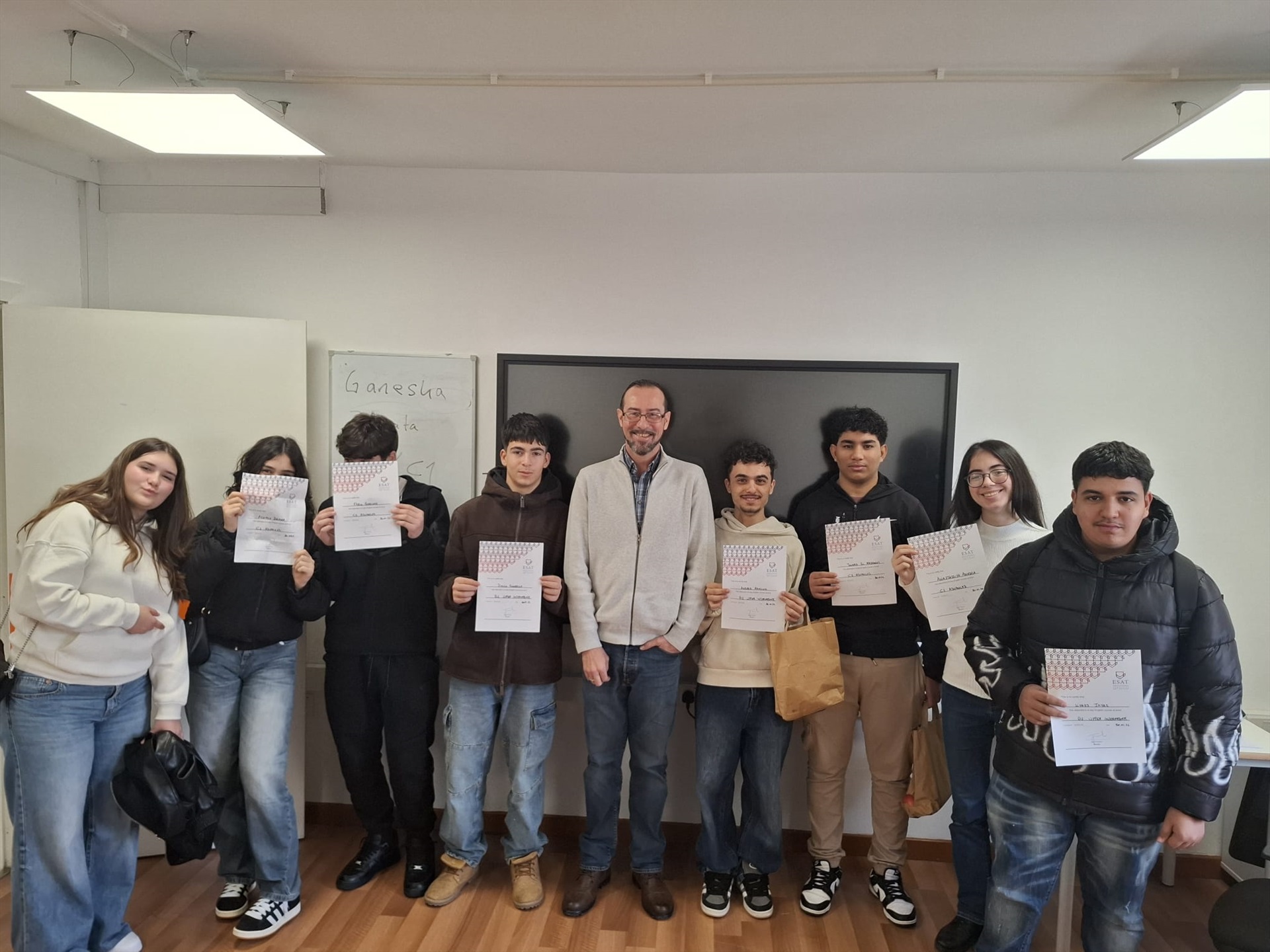
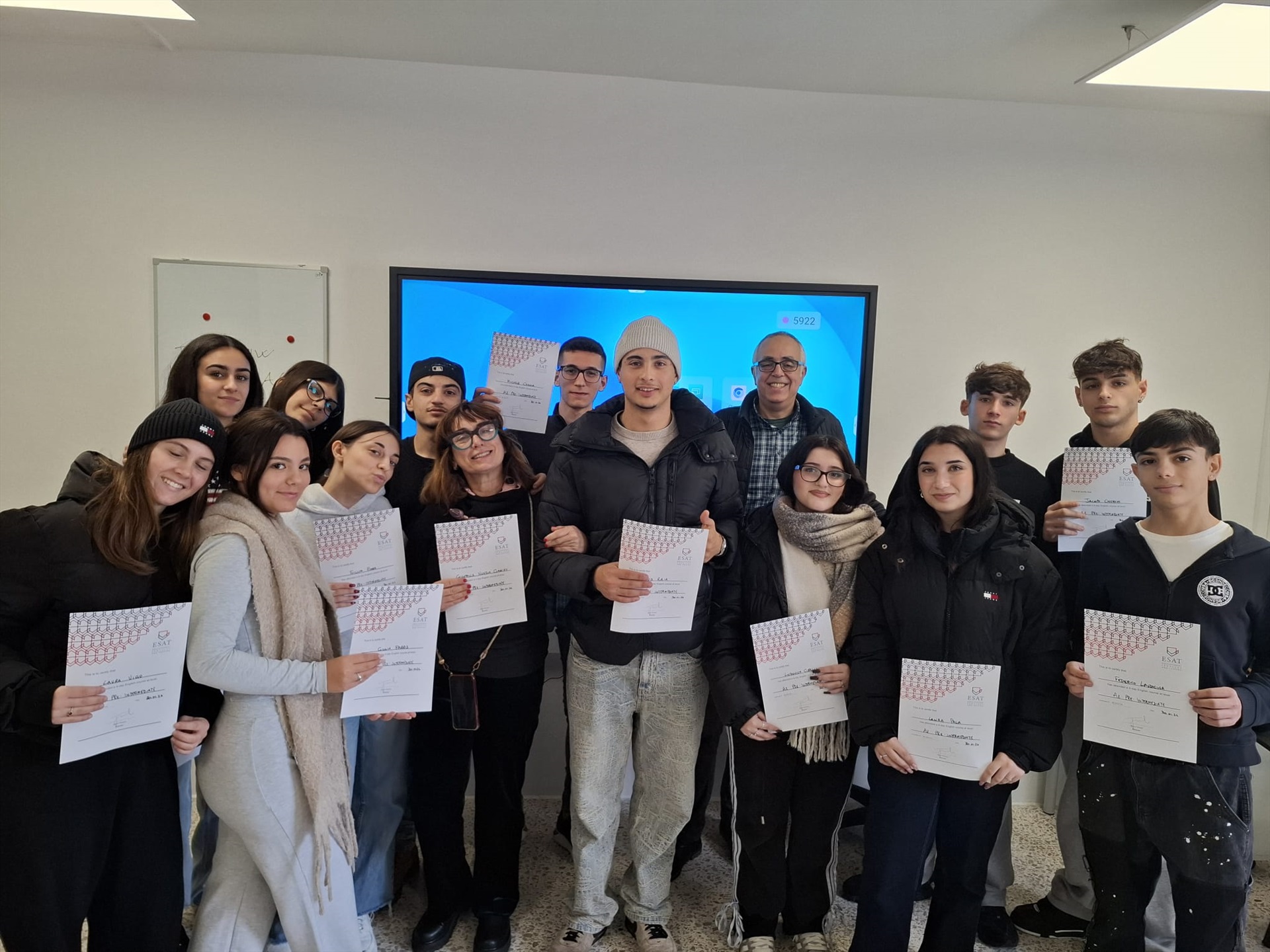
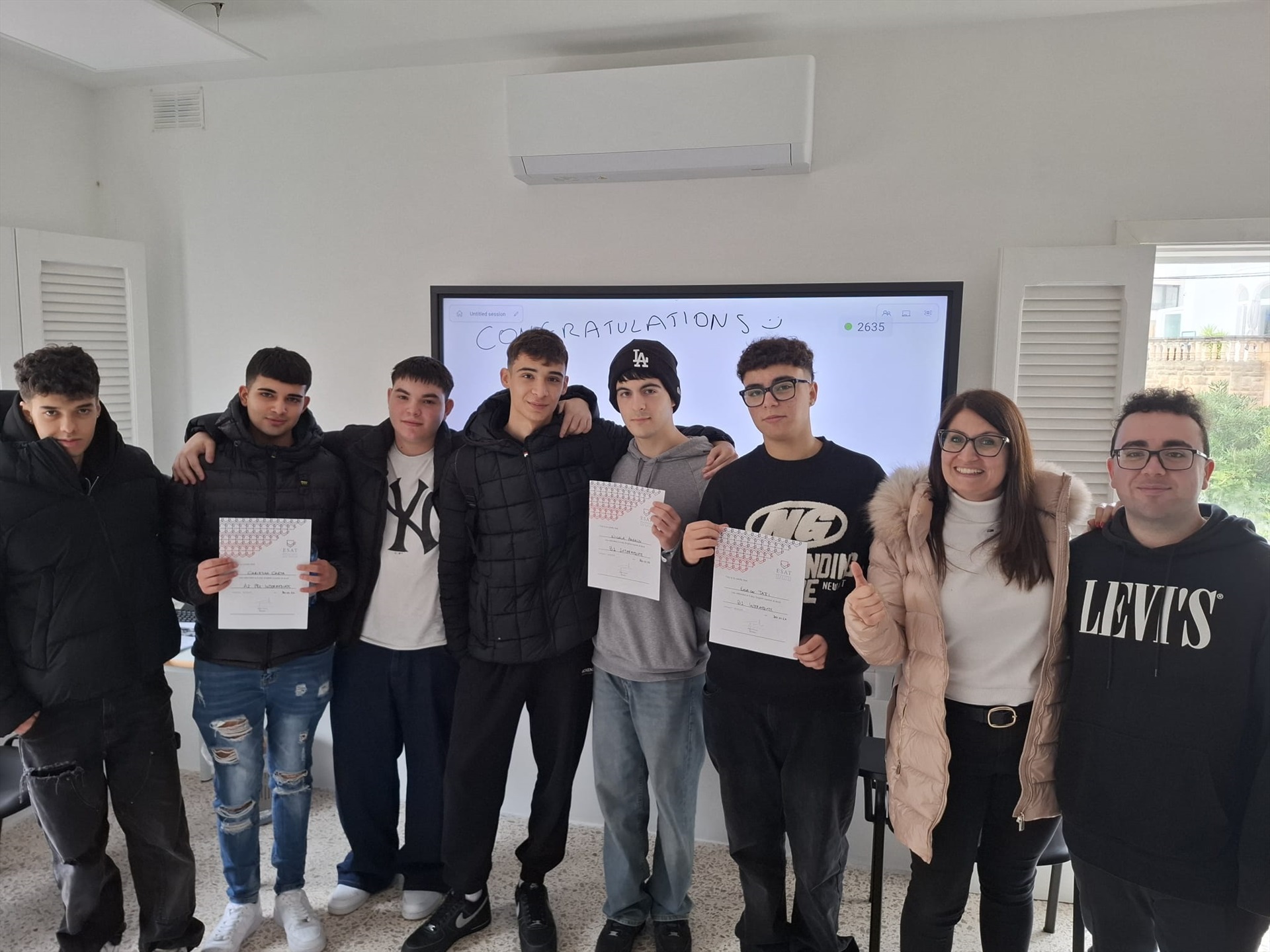


TUTOR DAVID PITTONI

Il Presidente prof. Mariano Campolo a Malta con gli studenti del Liceo scientifico Filolao di Crotone 20-25 ottobre 2025 durante una lezione pratica di crea impresa

TUTOR DAVID PITTONI con gli studenti del Liceo Filolao di Crotone 20-25 ottobre 2025 partecipanti allo stage di istruzione a Malta FSL FORMAZIONE SCUOLA LAVORO

IL DIRETTORE DELLA SCHOOL OF ENGLISH DI MALTA dott. Jason Fenech con gli studenti dell''Istituto Superiore Beccaria di Carbonia Sardegna